Sculpting Quiet Luxury with Stone, Wood, and Metal
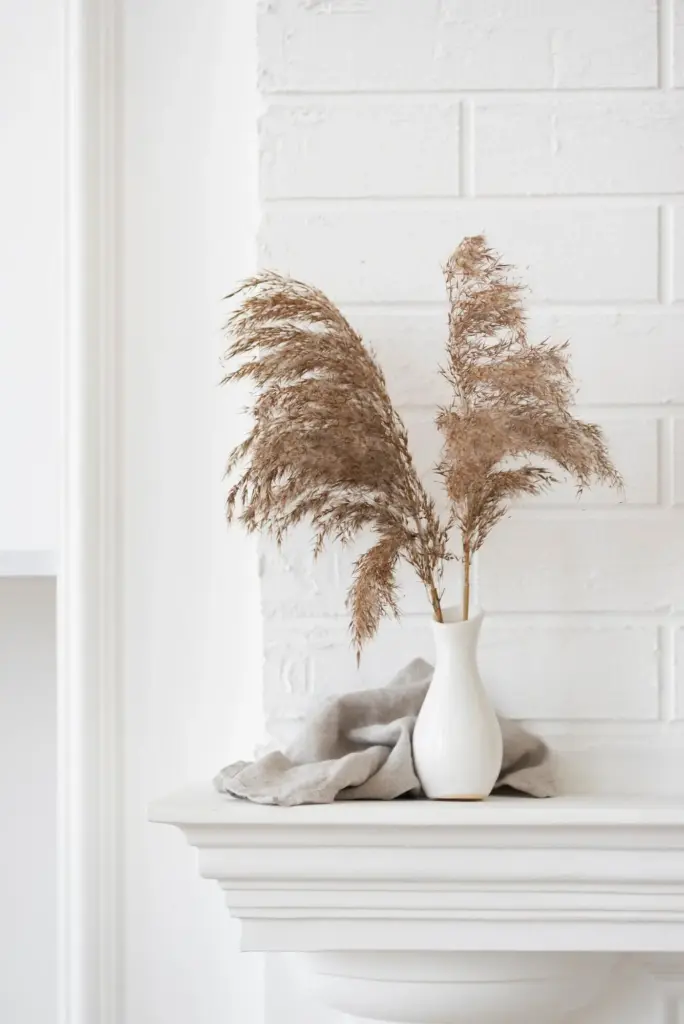
Today we explore selecting natural materials—stone, wood, and metal—for understated elegance, focusing on honest textures, quiet color, and enduring craft. Expect practical guidance, small stories from real spaces, and ideas you can apply immediately. Share your questions, wins, and experiments so we can learn together, comparing notes on finishes, sourcing, and care routines that make beauty last without shouting.

The Language of Understated Elegance

Why Simplicity Needs Texture

Minimal lines grow warmer when texture carries the conversation. A honed limestone floor offers a velvety draw underfoot, a rift-cut oak cabinet reveals disciplined grain, and a burnished brass pull catches just enough light. Together they whisper depth, creating comfort that feels composed rather than cold, and serenity that never drifts into emptiness.

Let Materials Tell the Story

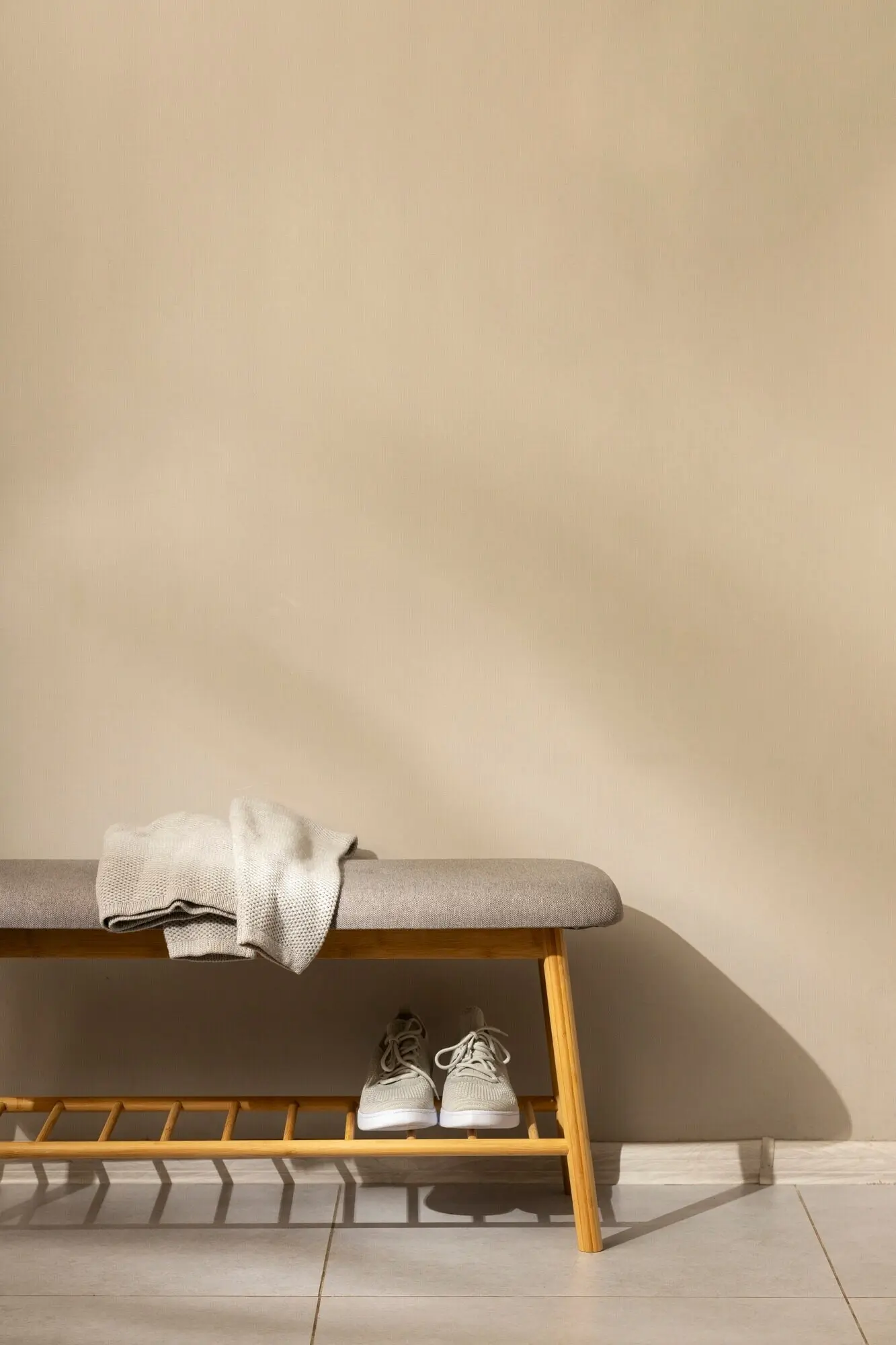
Imagine an entry anchored by pale limestone, a slender oak bench with softened edges, and a bronze hook aging gracefully. Guests sense care before hearing explanations. When surfaces reveal honest making—tool marks, tight grain, brushed metal—the room gains presence. Narrative emerges naturally, allowing memories and daily rituals to settle without visual clutter around them.

Designing for Calm, Not Silence

Calm grows from balanced contrasts. Pair matte stone with satin wood, then offset with a darker metal detail to ground the composition. The eye travels gently, finding rhythm rather than blankness. This controlled variety nourishes attention, supports quiet routines, and keeps spaces feeling welcoming during weekday mornings or slow, reflective evenings alike.

Choosing the Right Stone

Stone sets the tone by mediating light, temperature, and touch. Honed finishes mute glare, while subtle veining introduces movement without visual fatigue. We will compare limestone, marble, and soapstone, considering porosity, hardness, and color temperature, so selections age gracefully, accept patina honestly, and match the daily realities of cooking, gathering, and cleaning.

Working with Wood

Wood brings warmth, scent, and human scale. Species, cut, and finish shape mood significantly. Quarter-sawn oak conveys order; walnut suggests intimacy; ash reads airy and contemporary. Finishes shift character—from raw tactility to satin refinement—while edge profiles and joinery signal craftsmanship. Thoughtful selection keeps rooms grounded, welcoming, and naturally sophisticated without ornament.

Metal as the Quiet Counterpoint

Metal adds structure, sparkle, and grounding without turning loud. Brass warms, bronze deepens, and blackened steel steadies the composition. Through finish and profile, metal frames wood’s softness and highlights stone’s calm. Choosing subtle hardware, lean lighting, and refined details completes the ensemble with balance, restraint, and a touch of poetry under changing daylight.

Brass, Bronze, and Blackened Steel

Unlacquered brass evolves beautifully alongside oiled oak, catching morning light. Silicon bronze introduces depth, reading heritage without fuss. Blackened steel sharpens lines, anchoring pale stone and light woods. Each alloy carries tone and weight; combining them thoughtfully keeps interest consistent yet gentle, making rooms feel composed, timeless, and deliberately crafted rather than decorated hastily.

Aging Gracefully: Planning for Patina

Patina is not damage; it is memory. Expect fingerprints, soft color shifts, and rubbed edges where hands meet handles. Plan accordingly by choosing finishes that invite maintenance rituals rather than anxiety. When metal records use, it humanizes precision, turning a cool surface into a companion that quietly tallies breakfasts, celebrations, and everyday returns home.
The Three-Material Principle with a Twist
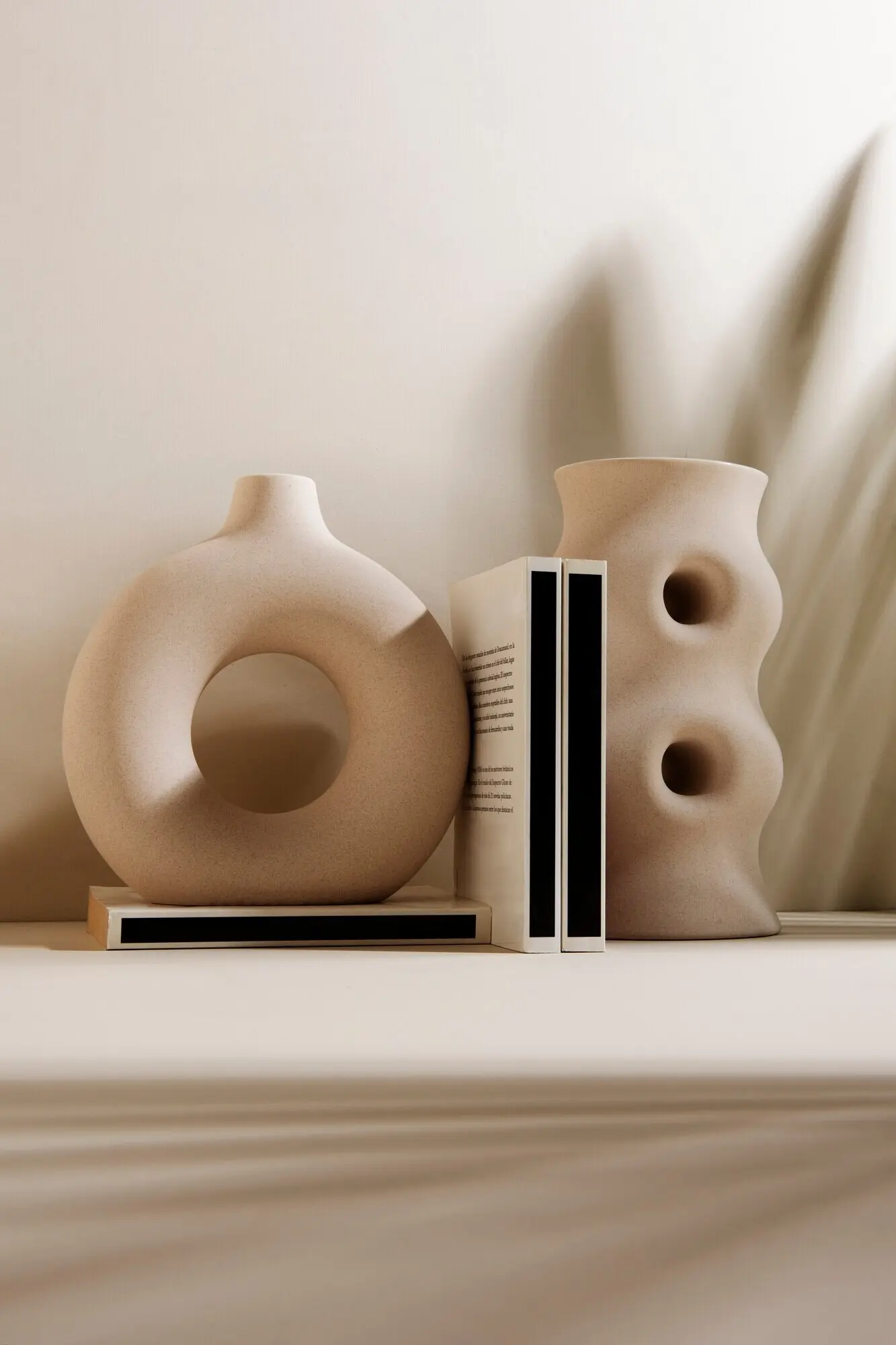
Begin with stone for grounding, choose a complementary wood for warmth, then introduce a single metal to articulate edges. If you crave variation, adjust within families: two stones with related tones, or two metals with neighboring finishes. Keep transitions intentional, protecting the room’s gentle cadence and preventing visual clutter from blurring thoughtful craftsmanship and stories.

Working with Natural Light and Reflectivity

Honed stone and oiled wood absorb glare, smoothing daylight. Place metal where slivers of sun can glance, animating mornings softly. Avoid mirror-bright surfaces if serenity is the aim. Instead, chase a satin hum across planes, letting shadows model forms. The room becomes a living sundial, shifting quietly as hours pass and weather changes.

Care, Longevity, and Real Life

Elegance deepens when materials are lived with, not protected anxiously. Establish low-friction routines, embrace small marks as biography, and specify finishes that welcome repair. The goal is confidence: the freedom to cook, host, read, and move without fear, knowing surfaces will respond with patience and enduring beauty over many changing seasons.

A Kitchen That Breathes

Soapstone counters, white oak fronts, and unlacquered brass pulls form a steady trio. Under-cabinet lighting grazes the stone, while the wood absorbs morning brightness. Nothing glitters; everything works. Cooking becomes unhurried, cleanup straightforward, and conversation easy. The room invites improvisation, encourages fresh herbs, and keeps appliances visually quiet behind panels without shouting for attention.

An Entry That Slows Time

Honed limestone tiles with soft edges welcome shoes without spectacle. A slim ash console gathers keys, and a bronze tray reflects the smallest lamp glow. Visitors slow, noticing the quiet. Storage stays integrated, not hidden aggressively. The space teaches arrival and departure rituals, turning everyday thresholds into moments of grounding rather than hurried transitions.

A Bedroom That Truly Rests

A low walnut headboard, linen bedding, and a blackened steel reading sconce coordinate with calm restraint. Floors in pale oak echo morning light gently. The palette mutes late-night screens and early emails, encouraging slower breathing and better sleep. Nothing extraneous competes with rest, yet the details remain tactile, dignified, and quietly affectionate toward daily life.

Stories from Real Rooms

Examples clarify ideas and reveal how quiet choices land in daily life. By studying kitchens, entries, and bedrooms, we see how light, habits, and proportion shape success. Each vignette shows natural materials guiding behavior toward slower mornings, gentler evenings, and hospitality that feels generous yet refreshingly unforced, even during busy workweeks and gatherings.
Rukokamonaxiti
Privacy Overview

This website uses cookies so that we can provide you with the best user experience possible. Cookie information is stored in your browser and performs functions such as recognising you when you return to our website and helping our team to understand which sections of the website you find most interesting and useful.